The Story
Sherlock Holmes solved murders wearing clothes most people today would reserve for a wedding.
A wool overcoat. A tweed waistcoat. A watch on a chain. No cape, no magnifying-glass prop required — just a man who dressed like he took himself seriously, because in Victorian London, nobody took you seriously if you didn't.
Holmes wasn't a policeman. He had no badge, no official standing, nothing but his own reputation to get a room full of skeptical inspectors to listen to him. The clothes did quiet, constant work: they said I belong in this room before he'd said a single deduction out loud. A private detective in scruffy clothes was a nuisance. A private detective in a well-cut coat was a professional.
That's the whole trick of the outfit, and it's why it still reads as "smart" more than a century later. It was never about looking dramatic. It was about looking like someone worth believing.
A Fact That Surprises Most Fans
The deerstalker hat and the swirling Inverness cape — the two things everyone assumes are "the Sherlock Holmes outfit" — never actually appear in Arthur Conan Doyle's original text. Illustrator Sidney Paget added them to his 1891 drawings for The Strand Magazine, and the image stuck so hard that most people now think Doyle wrote them in. He didn't. The closest the books get is a passing mention of an "ear-flapped travelling cap." Everything else — the coat, the waistcoat, the watch — is much closer to what Holmes actually wore on an average day in London.
Outfit Psychology
Why every piece exists
Holmes didn't dress for comfort. He dressed for effect, and each piece is doing a specific job.
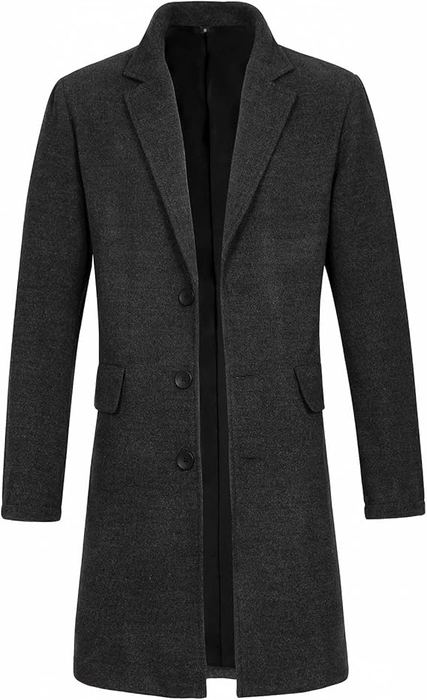
The coat
A long wool coat isn't just weatherproofing for a city famous for being cold and wet. It's a silhouette you notice from across a street — tall, dark, purposeful. Holmes spends half his working life outdoors, at crime scenes, in train stations, crouched over footprints in the mud. The coat has to survive that and still look like it belongs at a gentleman's club an hour later.
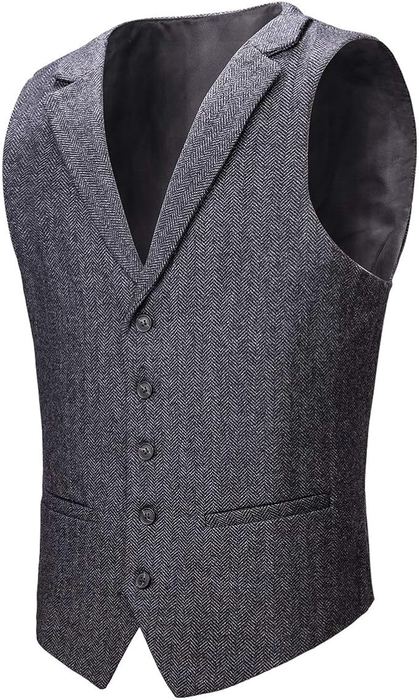
The waistcoat
This is the piece people skip and shouldn't. A waistcoat signals formality without the restriction of a full suit jacket — Holmes needs his arms free to examine evidence, sketch a floor plan, or grab a magnifying glass without fighting his own clothes. Herringbone tweed specifically was a working man's fabric elevated into gentleman's dress, which fits a detective who moved between drawing rooms and back alleys in the same afternoon.
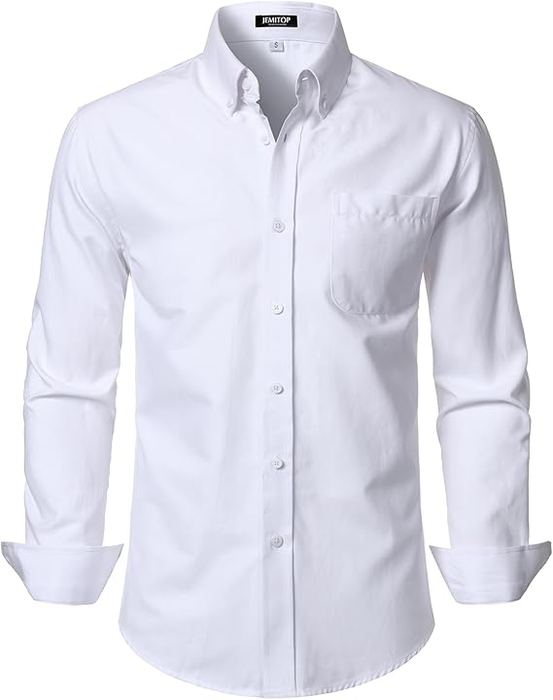
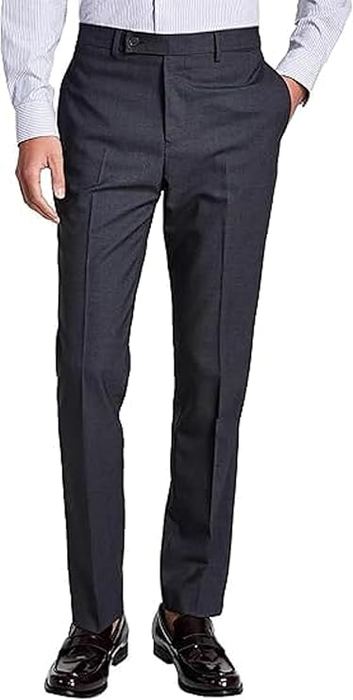
The shirt and trousers
Crisp, white, unremarkable on purpose. Holmes' whole method depends on noticing what other people miss — he can't afford to be the flashiest thing in the room himself. The shirt and trousers exist to disappear, so the coat and the mind underneath it can do the talking.
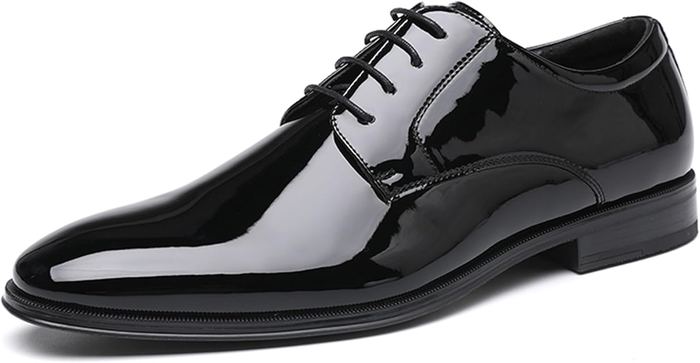
The shoes
Polished, not scuffed. Small detail, deliberate choice: a man who deduces someone's entire morning from the mud on their boots is not going to be caught with dirty ones of his own.
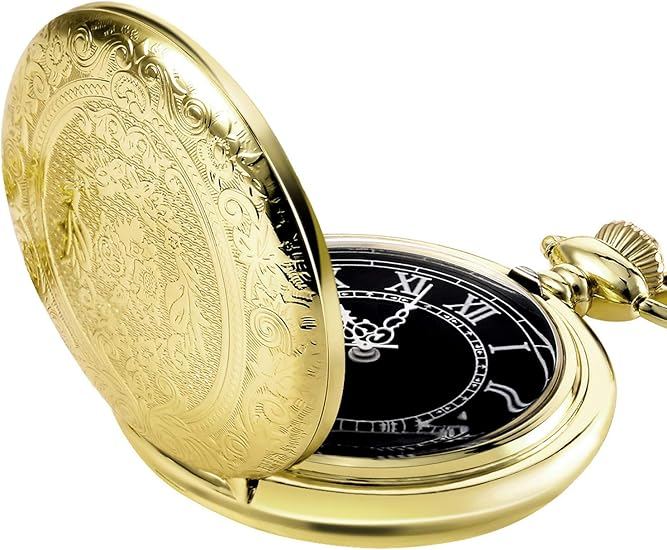
The pocket watch
Holmes is obsessed with precision — exact timing, exact distances, exact minutes between events. A pocket watch isn't just an accessory here, it's a thesis statement. This is a man who believes the truth is in the details nobody else bothers to check.
🕰️ Sherlock Holmes Through the Adaptations
Conan Doyle
Original Text
→
Basil Rathbone
1939–1946
→
Jeremy Brett
1984–1994
→
Robert Downey Jr.
2009–2011
→
Benedict Cumberbatch
2010–2017
Every adaptation keeps the same bones — coat, sharp tailoring, quiet authority — while reshaping the details. Downey Jr. roughed the look up with a Victorian-eccentric edge; Cumberbatch translated the coat into something modern and long-lined for 21st-century London. Jeremy Brett's Granada series is still considered the most faithful to Conan Doyle's actual descriptions — and notably, the most restrained with the deerstalker.
Styling Notes
How to wear it right
🧥Keep the coat buttoned — Holmes rarely wears it open
👔Don't skip the waistcoat, it's the piece that separates this from a plain coat-and-shirt look
🥾Polish the shoes. A detail-obsessed detective doesn't get scuffed leather
⌚Wear the watch on a visible chain, not tucked away
🎩Skip the deerstalker for everyday wear — it wasn't part of his London look anyway
🧠Confidence sells the outfit more than any single piece does
FAQ
Questions, answered
What coat does Sherlock Holmes wear?
A long, structured wool overcoat. Popular adaptations lean grey or charcoal, built for London weather and long hours outdoors at crime scenes.
Why does Sherlock Holmes wear a deerstalker?
He barely does, in the original text. The deerstalker and cape came from illustrator Sidney Paget's 1891 drawings, not from Arthur Conan Doyle's writing — the character's everyday London look was actually a coat, waistcoat, and trousers.
What shoes does Sherlock Holmes wear?
Polished leather formal shoes. A detective who notices everything about everyone else isn't going to be caught in scuffed footwear.
How do you dress like Sherlock Holmes?
Start with a long wool coat over a tweed waistcoat, a crisp white shirt, tailored trousers, polished shoes, and a pocket watch. Skip the deerstalker unless you're going for a specific costume look — it wasn't part of his everyday wardrobe.
Can you wear this outfit casually?
Yes. Drop the waistcoat for a lighter weekday version, or wear the full coat-and-waistcoat combination for something that reads sharp without looking like a costume.
Which Sherlock Holmes version is this based on?
A composite of the classic literary and period-drama Holmes — the coat, waistcoat, and pocket watch that show up across Basil Rathbone, Jeremy Brett, and Conan Doyle's own stories. If you prefer Robert Downey Jr.'s rougher Victorian eccentric or Benedict Cumberbatch's modern long-coat take, Clotheme.ai can build those versions too.