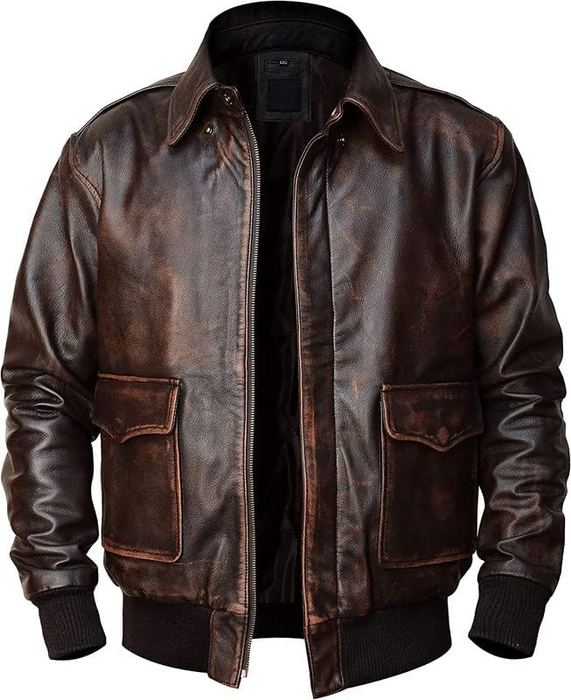
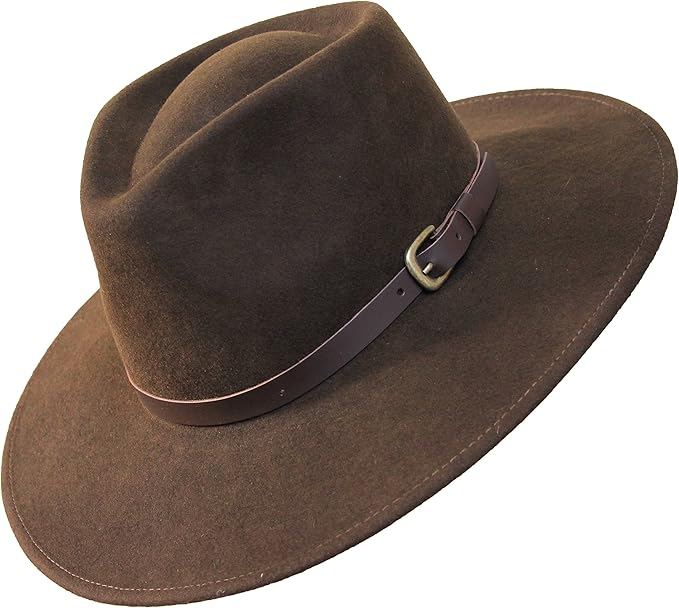

Before Indiana Jones became cinema's greatest adventurer, he became the reason millions wanted a brown leather jacket and a fedora.
Take away the whip and the hat, and he's just a professor teaching archaeology to a lecture hall of bored students. Put them back on, and everyone in the room knows exactly who he is. That's the trick of the outfit — it's practical enough for a classroom and rugged enough for a booby-trapped temple, and it never looks like it's trying too hard to be either.
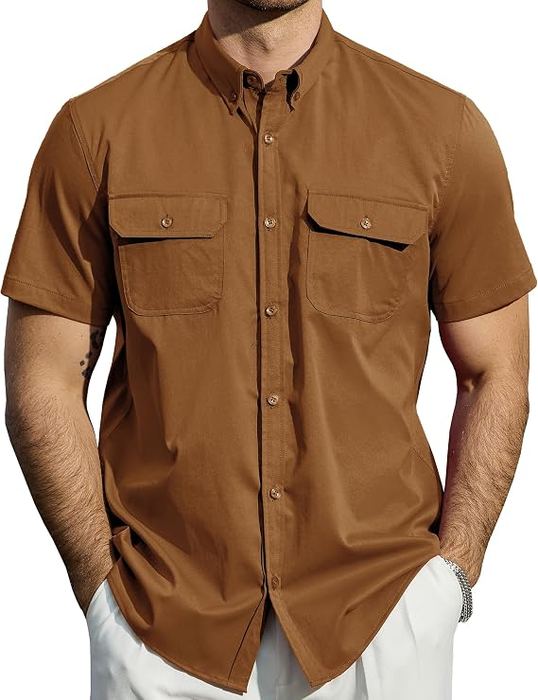
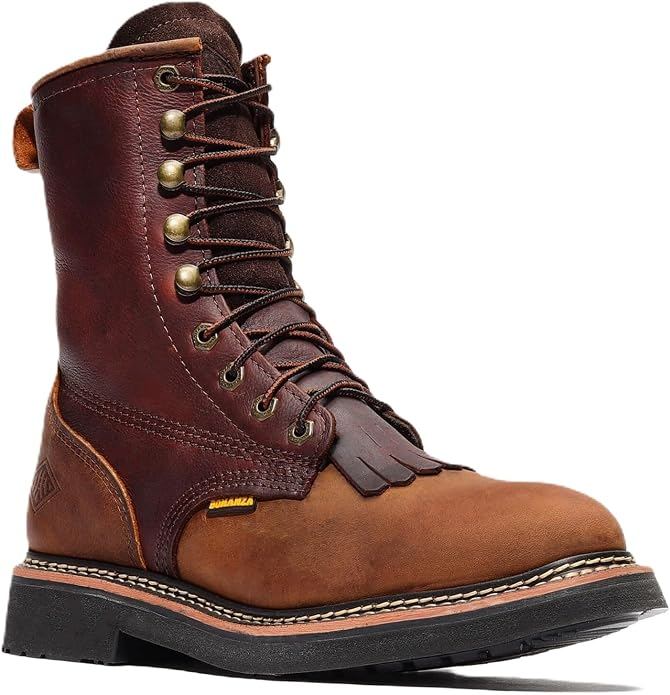
The genius of the look is that nothing about it reads as costume. There's no cape, no logo, no armor. It's a beat-up jacket, a work shirt, khakis that have seen better days, and boots built for walking through jungles instead of runways. That's exactly why it's held up for more than forty years — it was never fashion-forward, it was just correct, and correct doesn't go out of style.
The leather jacket does the most work. It's not there to look good — it's there to survive rope bridges, cave-ins, and a fair number of punches. The fedora is the signature piece; lose it and the silhouette collapses. Everything else — the shirt, the khakis, the boots — exists to support those two pieces without competing with them. It's an outfit built by someone who understood that a real adventurer dresses for the job, and looks incredible by accident.