Built from real Amazon clothing — not costumes.
Built from real Amazon clothing — not costumes.
The Man
Before tailored suits, there was James Madison. As the fourth President of the United States and the chief architect of the Constitution, his wardrobe defined what power looked like in the early republic — navy wool coats, crisp white shirts, elegant cravats, polished leather shoes, and tailoring precise enough to survive two centuries of portraits. If you've ever wondered how to recreate the look without ending up in a cheap costume, this guide breaks down every piece using real products that capture the silhouette of the era.
What makes the look instantly recognizable? It's the cravat. Swap a modern necktie for a wide strip of fabric knotted high at the collar, and you've traveled two hundred years back in a single move — no wig or knee buckles required.
Five pieces do the heavy lifting: a structured double-breasted coat, that cravat, a plain white shirt underneath, breeches gathered at the knee instead of full-length pants, and a pair of polished oxfords. Add a slim gold watch chain and you're dressed like a man who just finished drafting the Bill of Rights.
People still search for this look for two reasons — history-class costume assignments, and a genuine appetite for "old money" style pulled all the way back to its roots. Colonial reenactors, period photographers, and Founding-Father corners of TikTok all keep the aesthetic alive, and it's sharper and more disciplined than most modern menswear ever bothers to be.
The trick to not looking like a Halloween costume: skip the tricorn hat and the giant shoe buckles, and lean into real tailoring instead. A wool coat, a proper shirt, and leather oxfords are probably already in your closet — the breeches and the cravat are really the only two truly period-specific pieces you need to track down. That's the same instinct behind our Dark Academia guide: real, wearable clothing beats synthetic costume pieces every time.
Search "James Madison outfit," "Founding Father clothing," or "how to dress like a Founding Father" and this is the six-piece version built to actually wear — not just photograph once.
At A Glance
Shop The Look
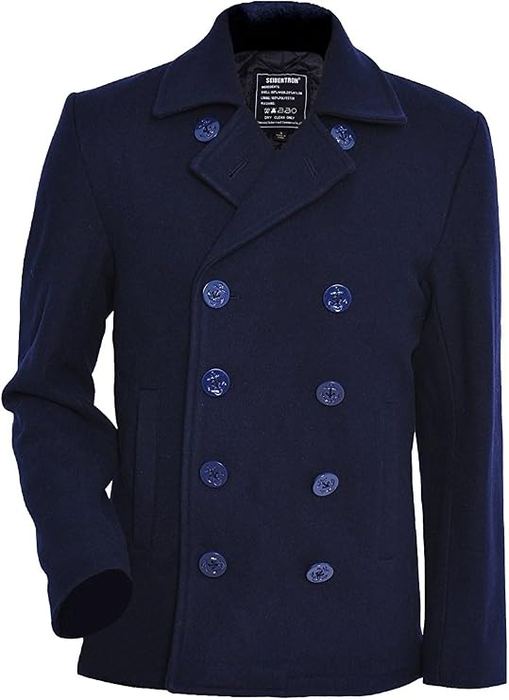
Visual role: sets the entire silhouette — structured shoulders and a double-breasted front are what read as "formal 18th-century outerwear" at a glance.
Don't replace with: a single-breasted or unstructured modern wool coat — it flattens the silhouette and loses the period read immediately. Budget alternative: a single-breasted navy peacoat can substitute, but expect a noticeably less period-accurate result.
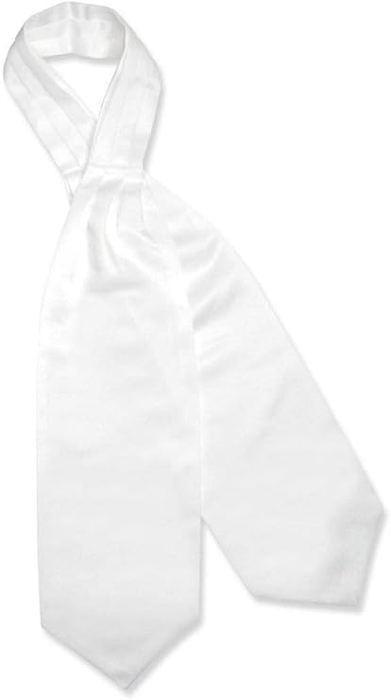
✓ Screen InspiredVisual role: this is the single most historically-defining piece in the outfit — it replaces the modern necktie entirely.
Don't replace with: a standard modern necktie or bow tie — either one immediately shifts the read to a contemporary suit. Budget alternative: a plain white silk scarf knotted at the collar can approximate the shape, though it won't have the cravat's structured drape.
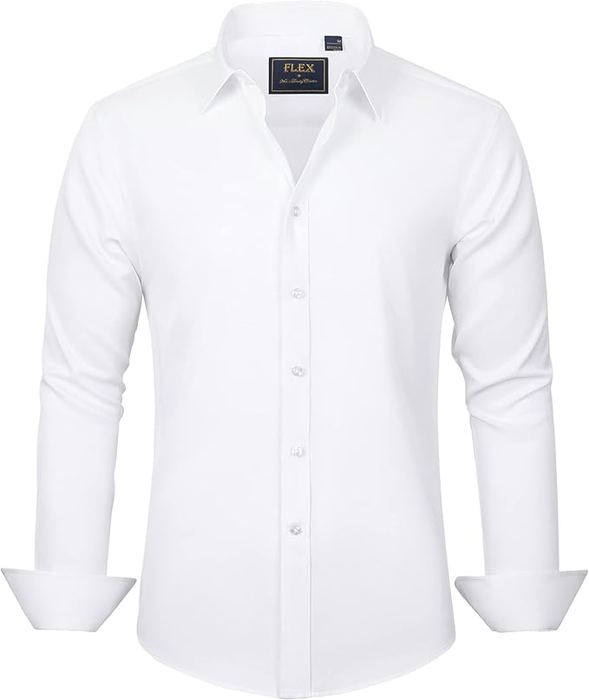
✓ Signature PieceVisual role: the crisp white base layer beneath the coat and cravat — mostly hidden, but its collar and cuffs keep the neckline and wrists finished.
Don't replace with: a patterned or colored dress shirt — this era's formalwear relied on a plain white base to let the coat and cravat carry the visual weight. Budget alternative: any plain white long-sleeve dress shirt with a standard point collar.
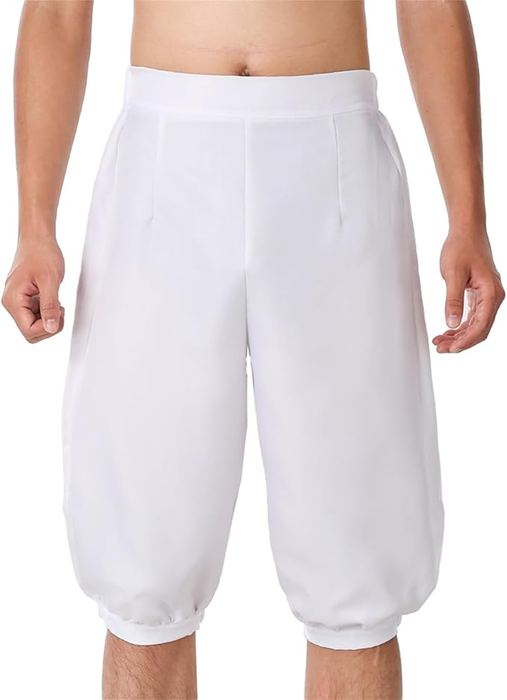
✓ EssentialVisual role: the gathered, knee-length cut is what makes this read as historical rather than modern — the second most important signal after the coat.
Don't replace with: full-length modern pants — this is the single most common mistake people make trying to assemble this look. Budget alternative: there isn't a great modern substitute for the breeches silhouette specifically — this is a case where the correct piece really does matter.
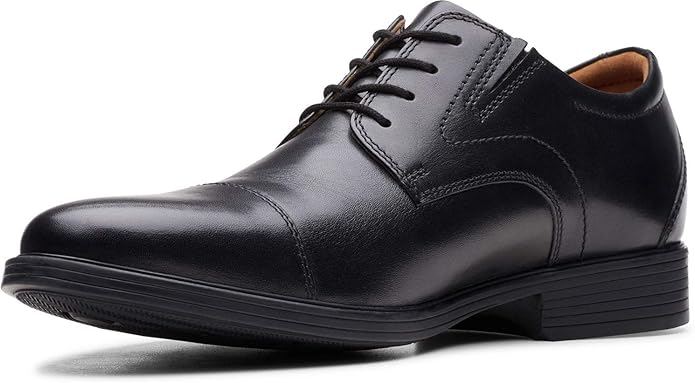
✓ Signature PieceVisual role: polished black leather oxfords ground the outfit in quiet formality without competing with the coat or cravat for attention.
Don't replace with: modern casual shoes or sneakers — an obvious break from the period formality the rest of the outfit is built around. Budget alternative: any plain black leather cap-toe oxford or derby will do the job.
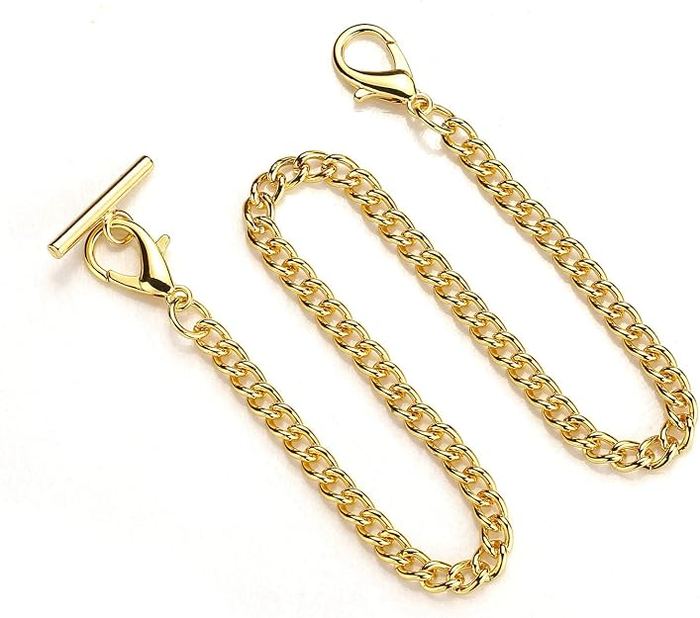
✓ Everyday WearVisual role: a small, era-appropriate status accessory — restrained gold detailing rather than a modern statement piece.
Don't replace with: modern jewelry like chains, bracelets, or wrist watches — these read as anachronistic against everything else in the outfit. Budget alternative: a simple gold-tone keychain fob clipped to a waistband can approximate the look.
✓ Fan FavoriteStyling Notes
Fun Facts
Mood Board
FAQ
It's built to read as authentic historical formalwear rather than stage costume — real tailoring cues like breeches, a cravat, and a structured coat, instead of exaggerated costume-store pieces.
A cravat is a wide piece of fabric knotted or wrapped at the collar, worn in place of a modern necktie during the 18th and early 19th centuries — the knot, volume, and drape are all distinct from a modern tie.
You can, but it changes the silhouette significantly — breeches gathered at the knee are one of the most defining visual signals of the era, and swapping in full-length pants moves the outfit toward period-inspired rather than historically grounded.
Historical-themed events, colonial reenactment, period photography, costume parties with a formalwear bent, or general interest in Founding-Father-era style.
As built here, the six pieces total $276.16 before tax or shipping — see the product cards above for individual pricing and links.
Real historical figures work too — Clotheme.ai researches and builds outfits dynamically rather than relying only on a fixed character list, and this guide is a direct example of that with a real 18th-century American statesman.
Keep Browsing
Free Chrome extension. Works directly on Amazon. No account needed.
Install Free