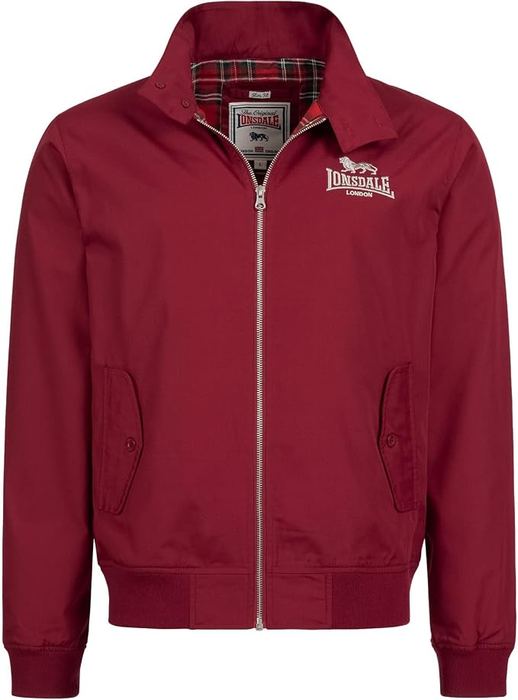
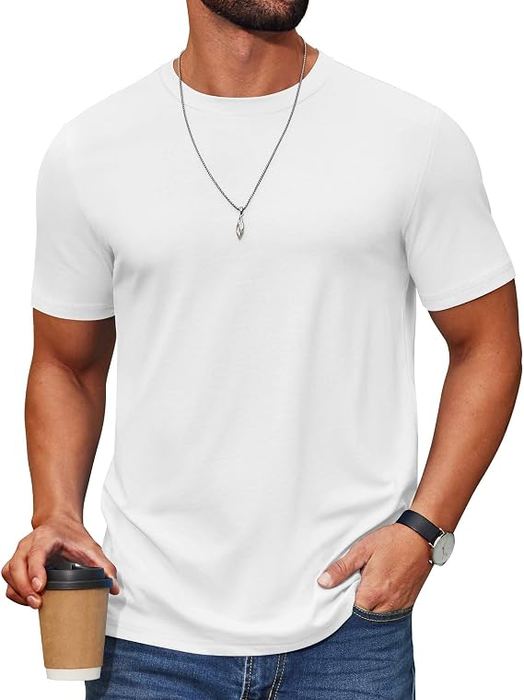
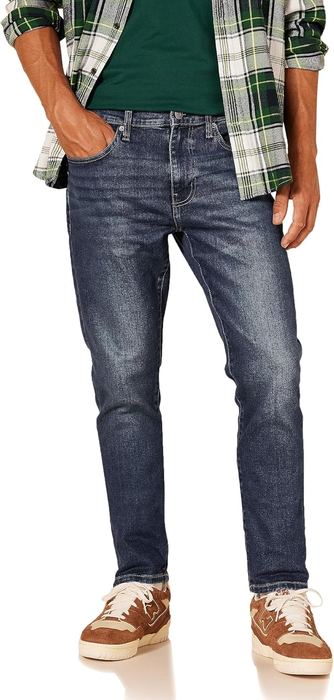
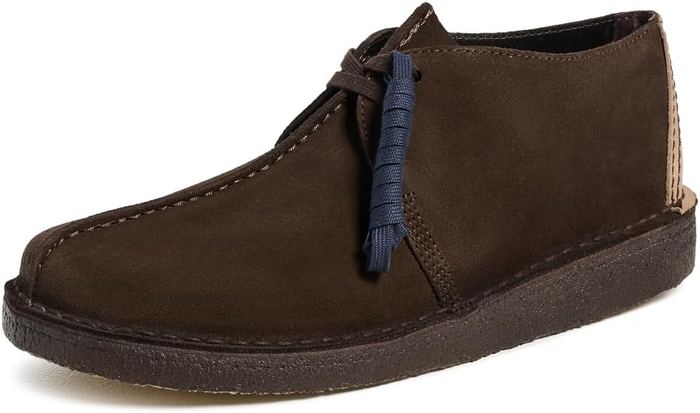
Real Amazon clothing, not a costume — the red Harrington jacket, white tee, and jeans that turned three simple pieces into the most referenced outfit in menswear.
★★★★★ Very Easy5 PiecesReal Products$310.13 Total5-Min Build
The Story
A white T-shirt and jeans that still feel rebellious seventy years later
Why does a plain white tee and a pair of jeans still read as rebellious decades later? No slogan, no logo, nothing shouting for attention — and yet put a white tee, straight denim, and a red jacket on a mannequin today and most people still say the same word: cool.
The man responsible for that staying power made exactly three films before he died at twenty-four. He never lived to see the outfit become a template that fashion houses and Hollywood would keep returning to for the rest of the century.
James Dean didn't design menswear. He just wore it in a way nobody had quite managed before, and fashion has been trying to bottle that ever since.
Who Was James Dean?
Three films, five years, and one of the most recognized faces in film history
James Byron Dean was born February 8, 1931, in Marion, Indiana. He studied acting, moved to New York, and landed the role that would define him: Cal Trask in East of Eden (1955), which earned him a posthumous Oscar nomination. He followed it with Rebel Without a Cause later that year — the film most people picture when they picture James Dean at all — and then Giant (1956), his third and final role.
On September 30, 1955, weeks after finishing filming on Giant, Dean was killed in a car crash near Cholame, California, while driving his new Porsche 550 Spyder to a road race. He was 24. Both Rebel Without a Cause and Giant were released after his death — meaning he never saw either of his two most famous performances reach an audience.
Behind The Look
Nothing about this outfit was thrown together
Costume designer Moss Mabry built the look deliberately, spending time observing real Los Angeles teenagers and pulling inspiration from a Life magazine photo of college students that director Nicholas Ray showed him. Mabry wanted something that read as authentic rather than costume-department polished.
The red jacket is often called a Harrington today, though the original was closer to a nylon windbreaker, customized for the production. Ray was specific about the color: red was used deliberately across the film's palette, tied to Natalie Wood's red coat and a single red sock worn by Sal Mineo's character, as a visual thread connecting the three central teenagers.
Fun Fact
The wardrobe department aged more than 400 pairs of Levi's for background actors, deliberately dirtying and washing them multiple times to get a lived-in look. Dean himself wore Lee jeans in the film, even though Levi's were the brand aged for the extras.
Why It Became Iconic
Working-class Americana, worn with total confidence
Take the clothes out of the equation and look at what Dean was actually projecting: confidence without effort, masculinity without aggression, rebellion without a manifesto. In 1955, wrapped in a plain tee and jeans instead of the pressed suits that dominated leading-man wardrobes, it was close to unheard of.
There's nothing to decode in a white T-shirt and blue jeans — no accessories doing the talking, no logos explaining who you are. The clothes get out of the way and let the posture and the attitude carry the look instead, which is a much harder trick than it sounds.
Why he'd wear it: the piece that makes the whole outfit readable from across a room. Worn open more often than zipped, it's the one loud color in an otherwise quiet outfit.
Why he'd wear it: straight through the leg, medium wash, natural waist — the quiet bottom half that keeps the red jacket from being the only thing doing work.
👕Never tuck the tee in — it hangs loose under the jacket
🧥Wear the jacket open more often than zipped up
📏Jeans should break lightly at the boot, never bunch
🥾Let the suede boots age naturally — don't over-clean them
🧴Skip heavy hair product — texture over shine
🎯Fewer pieces, worn with confidence, beats a full closet
Style History Trivia
A few things worth knowing
Inspired By a Magazine PhotoDirector Nicholas Ray showed costume designer Moss Mabry a Life magazine photo of college students as a reference point for the look.
400 Pairs of Aged Levi'sThe wardrobe department dirtied and washed hundreds of pairs of jeans for background actors to fake a worn-in look.
Dean Wore Lee, Not Levi'sEven though Levi's were the aged brand for extras, Dean himself wore Lee jeans on screen.
Released After His DeathBoth Rebel Without a Cause and Giant hit theaters after Dean's fatal car crash in September 1955.
FAQ
Questions, answered
How do I dress like James Dean?
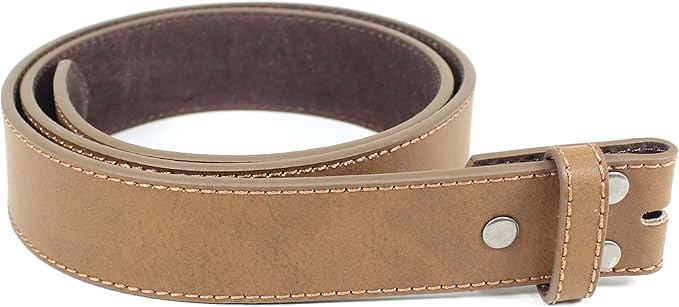
Start with a plain white crew-neck tee and straight-leg medium-wash jeans, add a red Harrington-style jacket, and finish with brown suede boots and a simple leather belt. Keep everything slightly worn-in rather than brand new looking.
What jacket did James Dean wear?
In Rebel Without a Cause, a red nylon windbreaker-style jacket designed by costume designer Moss Mabry, often referenced today as a Harrington jacket.
What jeans did James Dean wear?
Lee jeans in the film, styled with a straight leg and a natural waist rise, aged to look worn rather than new.
Is this a costume?
No. Every piece is ordinary, wearable clothing — a jacket, a tee, jeans, boots, and a belt. Nothing here is a costume; it's a real outfit built from real Amazon products.
Was James Dean's outfit expensive?
No — that's a core part of its appeal. The original wardrobe was deliberately built to look like ordinary, working-class teenage clothing, not luxury pieces.
Who played James Dean's character in Rebel Without a Cause?
James Dean played Jim Stark in the 1955 film Rebel Without a Cause, directed by Nicholas Ray.